
"Ethiopian coffee methods"
4000 article(s) found

Ethiopian coffee beans | Ethiopian coffee producing areas | Guji Kaiyong Mountain Farm washing
Professional coffee knowledge exchange more coffee bean information please follow coffee workshop (Wechat official account cafe_style) Ethiopia coffee bean Guji Kaiyong Mountain Farm washing Ethiopia Guji Kayon Mountain washed production country: Ethiopia Ethiopia production area: Guji Guji Farm: Kaiyong Mountain Farm Kayon Mountain producer: Ato Esmae

Ethiopian treatment of boutique coffee solarization
The birthplace of coffee-Ethiopia. The coffee tree originated in Ethiopia, which was originally a wild plant here, and the name coffee comes from the Ethiopian town of Kaffa. In fact, many coffee trees in Ethiopia are still wild plants, and the coffee grown on this coffee tree is full-grained and slightly alcoholic. Humans may have been in the 9th century.

Ethiopian treatment of boutique coffee washing
The birthplace of coffee-Ethiopia. The coffee tree originated in Ethiopia, which was originally a wild plant here, and the name coffee comes from the Ethiopian town of Kaffa. In fact, many coffee trees in Ethiopia are still wild plants, and the coffee grown on this coffee tree is full-grained and slightly alcoholic. Humans may have been in the 9th century.

Ethiopian coffee producing area Kafabita Manor, Sun Haloba, Kochel Water Dou ha
Professional coffee knowledge exchange more coffee bean information please pay attention to the coffee workshop (Wechat official account cafe_style) Ethiopia Mokahara production area, Sidamo coffee production area characteristics? Kafa Forest Bita Manor Sun Bean flavor and taste? Ethiopian coffee can be divided into several main producing areas: Haramoka (sun), Kafa virgin forest (sun), and west.

Ethiopian Sun-Sitama Ethiopian Coffee Bean Introduction
SIDAMO G-1 SPECITLTY PRODUCTION AREA: GUJI PRODUCTION AREA ALTITUDE: 1900-2200 METERS VARIETY: Arabica BEAN SEED: HEIRLOOM TREATMENT: Sun-drying, Shelter-drying Product Specifications: 60kg sacks Outer packaging lined with American patent GRAIN PRO bag Flavor: red wine, lemon, citrus fragrance, jasmine flower fragrance, peach juice, unique flavor fruit drink.

Introduction to the method of variety treatment in the production area of 90 + Ethiopian coffee beans
90 + Grinding scale production of Ethiopian coffee beans introduction of variety treatment in Ethiopia, coffee grading and quality control system is divided into three levels: producer, regional and national. All coffee is inspected by local inspection agencies before leaving the country of origin, and then re-tested at the coffee inspection and grading centers in Addis and Diredawa to determine its quality grade. Coffee

Sidamo guji coffee beans Ethiopian coffee production mode
According to the above four different modes of production, Ethiopian coffee can be divided into nine major coffee producing areas, including five boutique coffee areas: Sidamo, Yegashefi, Harald, Lim and Lekampu. and four general commercial bean producing areas: Gemma, Irugbo, Tibby and Bekaa. The sun or water washing methods are used in each district, and different treatment methods also affect the flavor.

Starbucks selects Ethiopian Ekayon Mountain Coffee Bean producing area Story _ Kayong Mountain Manor Information
Professional coffee knowledge exchange more coffee bean information Please follow the coffee workshop (Wechat official account cafe_style) Last year we purchased an amazing Ethiopian bean, our SOE resident bean sun Guji Kayon Mountain, and thanks to the landowner Ato Esmael and his family for producing such a great cup of coffee for us.

Ethiopian honey kiss coffee flavor description processing method production characteristics varieties taste introduction
Ethiopian fine coffee beans are located at very high altitudes, small beans, but extremely sweet (usually high-altitude beans, high acidity). They don't taste as effusive as the perfumed fruit of Aricha, Beloya, but if you push aside the wet powder brewed by Nekisse, you will smell extremely strong and complex spicy notes. This change

Introduction to the story characteristics of Ethiopian boutique coffee beans
The highest grades of Ethiopian coffee are grade 2 and 3 (Yirgacheffe, Sidamo), while sun-processed coffee in eastern Ethiopia is mostly grade 4 or grade 5 (G4, G5). In many cases, the coffee label of level 4

Ethiopian Coffee producing areas distribute Ethiopian Coffee beans stories Ethiopian Coffee
Professional coffee knowledge exchange more information on coffee beans Please follow the coffee workshop (Wechat official account cafe_style) Coffee first discovered that the Kafa continent in southern Ethiopia was located in the place name Kaffa, and it was not officially named after Coffee until the 18th century. The geographical environment of Ethiopia is very suitable for coffee growth. nowadays, coffee is mainly grown between 1100 meters and 2000 meters above sea level.
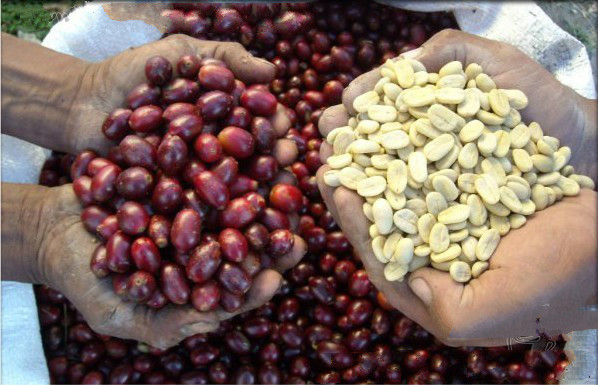
Ethiopian coffee Starbucks Ethiopian coffee wholesale price of Ethiopian coffee brands
Ethiopia is one of the major producers of Arabica coffee in Africa, producing the best Arabian coffee in the world. It is said that coffee was first discovered by shepherds in Essekafa, and the name of coffee evolved from Kafa, so Essex is still the hometown of coffee. The geographical environment of coffee production and processing is very suitable for coffee growth. Coffee is mainly cultivated.

Introduction to the characteristics of varieties produced by the method of grinding degree treatment for flavor description of Ethiopian honey kiss coffee
The origin of Ethiopian boutique coffee beans: 90 + Ethiopia Yigacheffe (Yega snow coffee) producing area. Altitude: 17502000m. Treatment: insolation. Taste characteristics: the palate is thick and heavy, with earthy, dark fruit and a slight citrus taste. Packing specification: 30kg / case Hachira (Hachilla N2 Level 12)

Sun Sidamo Coffee producing area Manor introduces the processing methods and methods of fine coffee
The overall experience of this sun Sidamo is more suitable for those who like Ethiopian coffee but do not like the acidity, and it is also suitable for independent cafes. Ethiopia Sidamo Sidamo Coffee introduces Ethiopia as the birthplace of Arabica coffee. Wild Arabica grows in the forests of Ethiopia's Kaffa region. The history of Ethiopian coffee drinking is better than that of Ethiopians

The Story of Ethiopian Coffee introduction to the Variety treatment method in the producing area of the Manor
The Story of Coffee in Ethiopia Ethiopia is the earliest country in the world to grow coffee and maintain the oldest coffee culture. It can be said to be the origin of origins, the place of origin of coffee. According to statistics, the country produces about 396000 tons of coffee every year. It can be said that the coffee varieties in other coffee producing areas are all from Ethiopia.

Ninety + Panamanian Rose Summer Manor original species of Ethiopian heirloom rose
The origin of the name: the development of Lotus SK flavor is modelled on the unstained lotus, a perennial aquatic plant that is sometimes mistaken for water lilies. Although the rose summer processed by the 90 + Solkiln method dries the fresh fruit directly, which is similar to the traditional sun drying method, the coffee beans do not look much different from the washing method. The Solkiln method can be finely controlled by artificial creation.

Description of Ethiopian Coffee Flavor with soft Fruit Acid an introduction to the characteristics of the varieties in the producing area
60% of the coffee belongs to forest-semi-forest coffee. In such a wild coffee forest, pesticides are not used at all, but biological methods are used to control pests. 35% of the coffee is courtyard coffee. In this kind of coffee garden, the planting is three-dimensional. Coffee is located in the lower layer and gets a suitable growth environment in the shade of other crops. Fertilizers are mainly fallen leaves, withered grass and animal manure. five

Ethiopian Sun-Treated Faye Garberry Orchard/Polyphine G1 Flavor Trend
Ethiopian Sun-treated Faye Sherry Orchard/Polyphine G1 Flavor Trend Flavor Description: Intense berry and fruit dry aromas, strong strawberry, blueberry with passion fruit, mango and other tropical fruit aromas at the beginning of the drink, apricot, peach and grape juice flavors in the middle, floral, peach and berry aromas throughout the taste buds, firm and juicy flavors

Gemma Aglu producing area | Duromina du Nomina Cooperative Ethiopian Native species washing G1
Professional coffee knowledge exchange more coffee bean information please follow the coffee workshop (Wechat official account cafe_style) Gemma Agru production area | Duromina du Normina Cooperative Ethiopian native species washed G1 flavor? From Du, Dumina Cooperative, a local processing plant in Agaro, Oromia State, southern Ethiopia.

Ethiopian washing Sidamo G1 Honey language imported Micro-batch Fine Coffee Bean planting location
Various forms of coffee cultivation can be found in Ethiopia: everything from wild coffee forests and semi-developed land to traditionally operated plots to modern plantations. About 50% of the coffee is grown more than 1500 meters above sea level. According to the above four different production methods, Ethiopian coffee can be divided into nine major coffee producing areas, including five boutique products.